
The days when B2B customers were satisfied with old-fashioned web shops, confusing forms, and long wait times are finally over. Even though there are clear differences between segments, anyone who shops B2C in their private life now expects the same in a professional context: mobile-first, self-service, and a seamless user experience.
But it is not just technological change driving this development—it is primarily a generational shift within companies. Baby boomers are handing over responsibility to Millennials and Gen Z, and with them, the standards are changing. Reliable figures are hard to come by, but even 3 years ago, Deloitte estimated that 60% of Millennials (born 1981–1996) held management responsibilities. More and more decision-makers are therefore "digital natives"—they grew up with Amazon, Instagram, and one-click ordering. They are now naturally applying these exact experiences to their everyday B2B lives.
Whether we want to admit it or not, B2B decisions are also heavily influenced by emotions. And it is no longer just about interpersonal rapport; it is about the feeling you get when using digital channels. Efficiency is in demand instead of personal contact. Slack and WhatsApp dominate instead of faxes and phone calls.
B2B companies that ignore this are not just missing a trend—they risk not even being invited to the next tender.
For over 15 years, Comsysto Reply has been implementing complex e-commerce solutions for clients across all industries—both B2C and B2B. What we are currently seeing is that the boundaries between these two worlds are blurring—technically, but above all in terms of expectations.
Here are our key observations:
Generational shift = surge in expectations
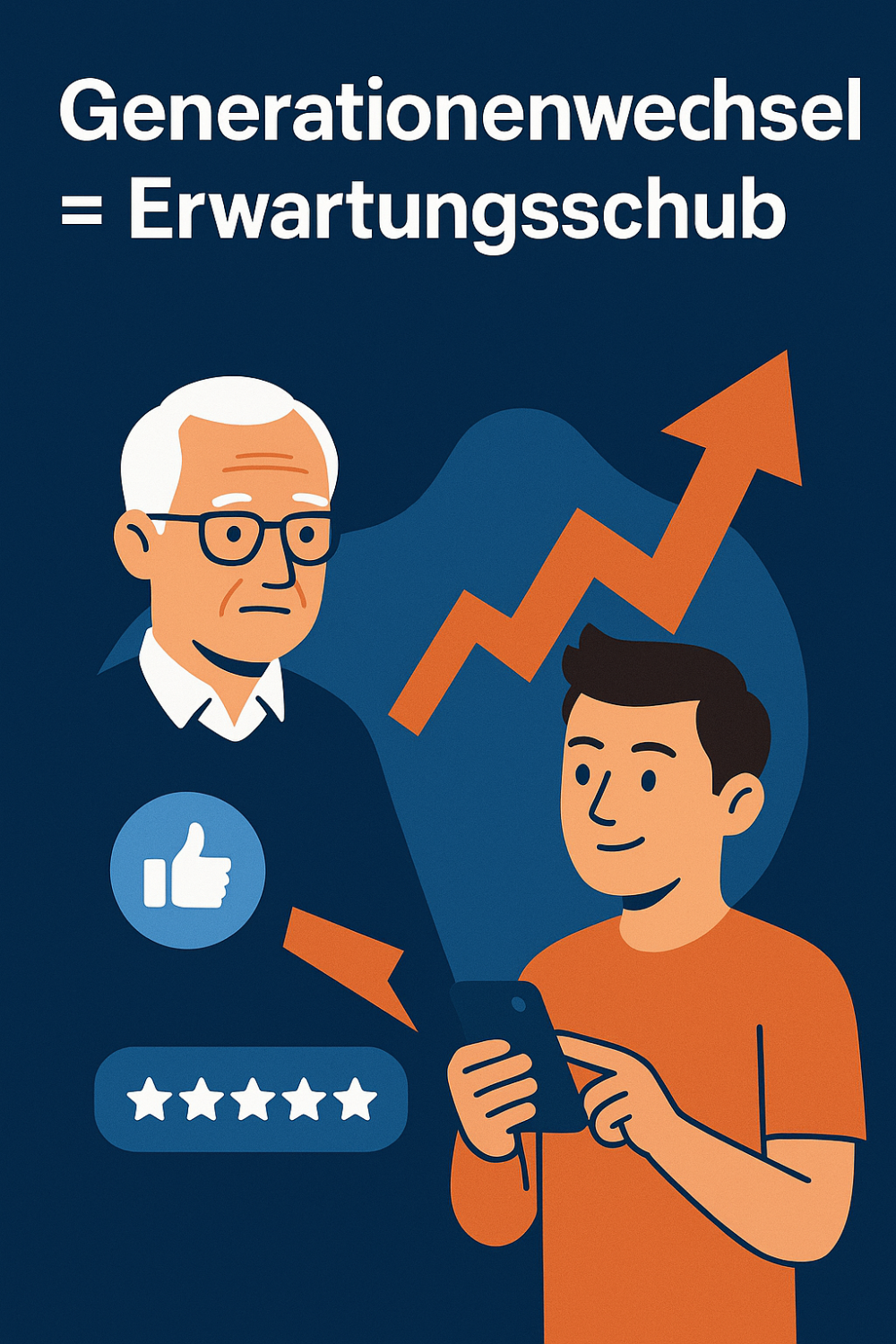
Demographic change is driving a profound cultural shift in procurement departments. New decision-makers bring new habits, demands, and decision-making processes. Those who do not account for these will lose relevance.
Mobile-first – because the workplace is everywhere

What was long considered a "consumer-only" topic has long since arrived in B2B. Decision-makers and buyers want to check offers, approve products, or place orders while on the go—directly from their smartphones. Younger generations in procurement, in particular, see mobile as the standard, not an option.
The reality for many B2B portals? Non-responsive tables, PDF downloads, and features that only work properly on a desktop. This is a no-go for decision-makers under 40—and this is precisely the age group becoming increasingly relevant due to demographic change.
Self-service is no longer a nice-to-have
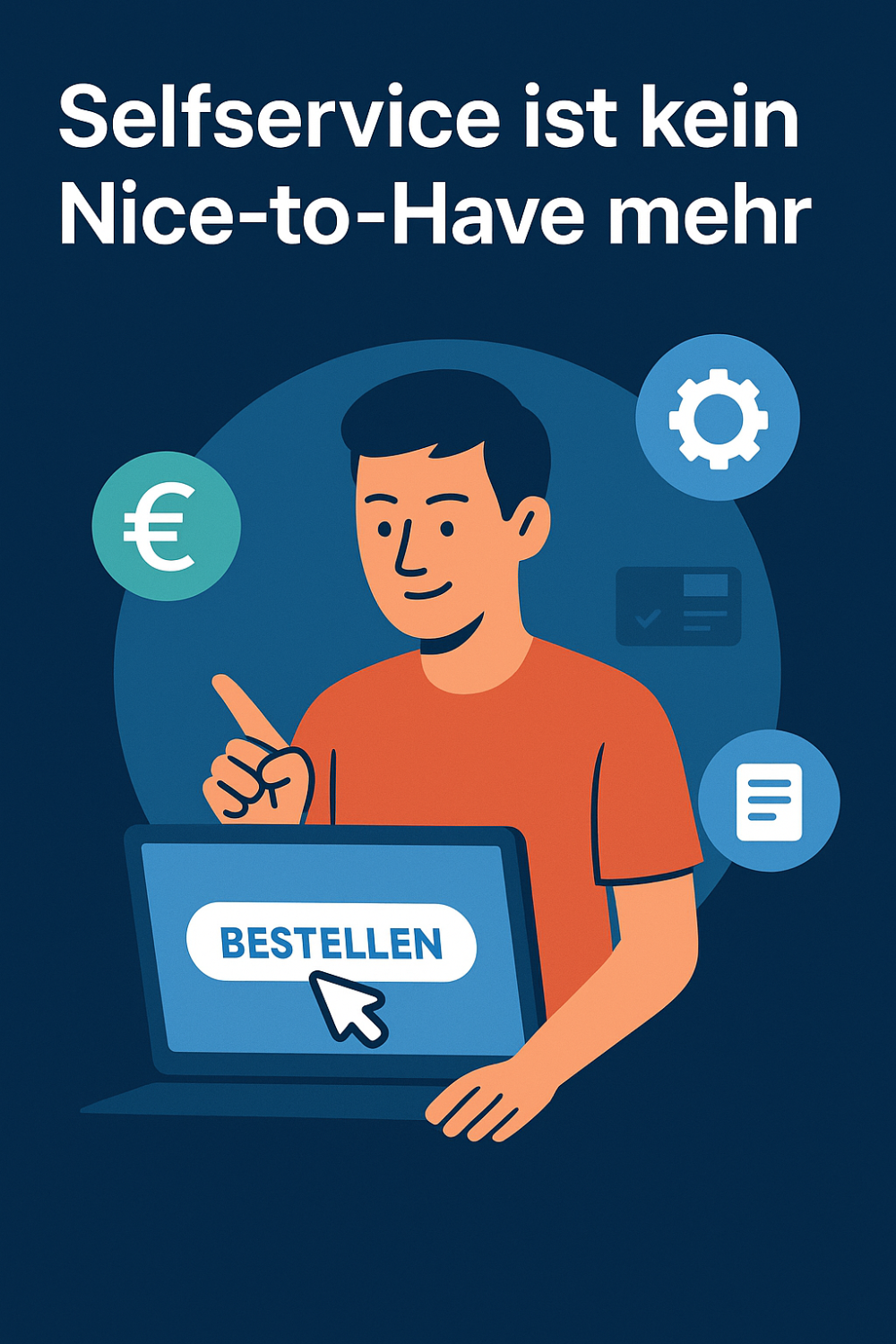
Requesting a catalog, waiting for a callback, filling out an inquiry form? That is a thing of the past. Modern B2B customers—especially younger ones—expect the same speed as they do when shopping privately: configure, generate a quote, and order immediately. Without media discontinuity. Without detours. Without sales representatives.
Young decision-makers are used to helping themselves—and they want to do the same in a professional context. Anyone who does not offer self-service functions will quickly be perceived as unprofessional or outdated.
UX: User-centricity instead of a feature wasteland
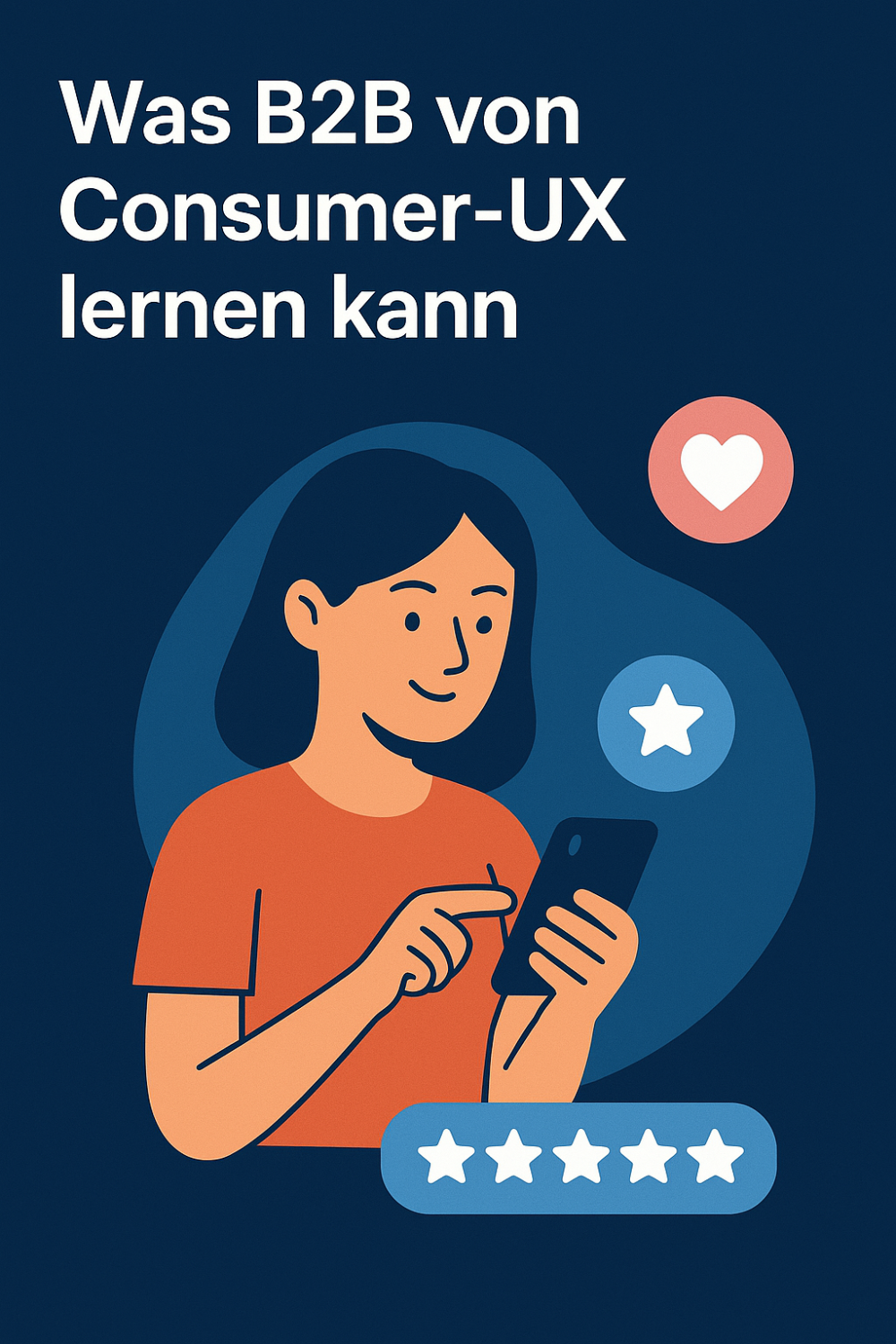
UX in B2B? For a long time, this topic was underestimated. But this is exactly where the wheat is now being separated from the chaff. Because even the best ERP backend is useless if the user doesn't understand what to do in the frontend – or simply loses interest.
What we experience as standard in B2C – clear navigation, intuitive filters, personalized recommendations – is becoming a competitive advantage in B2B. For younger generations in particular, it's not just the result that counts, but also the "how." A cumbersome ordering process? A reason to switch to the competition – without a second thought.
Bottom line: Copying B2C won't make you a winner – but it will help you learn faster.
Of course, B2B and B2C business models are fundamentally different. But that is precisely why it is worth looking beyond your own backyard: not for a 1:1 copy, but for inspiration. Because user expectations no longer recognize channels. Whether personal or professional – in the end, the digital experience is what counts.
Our tip: Don't start your next redesign or platform project with the question, "What do we need?" – but with: "What do our users expect – because they are already used to it in B2C?"
See you next week!
Christian & the Comsysto Reply e-Commerce Lab